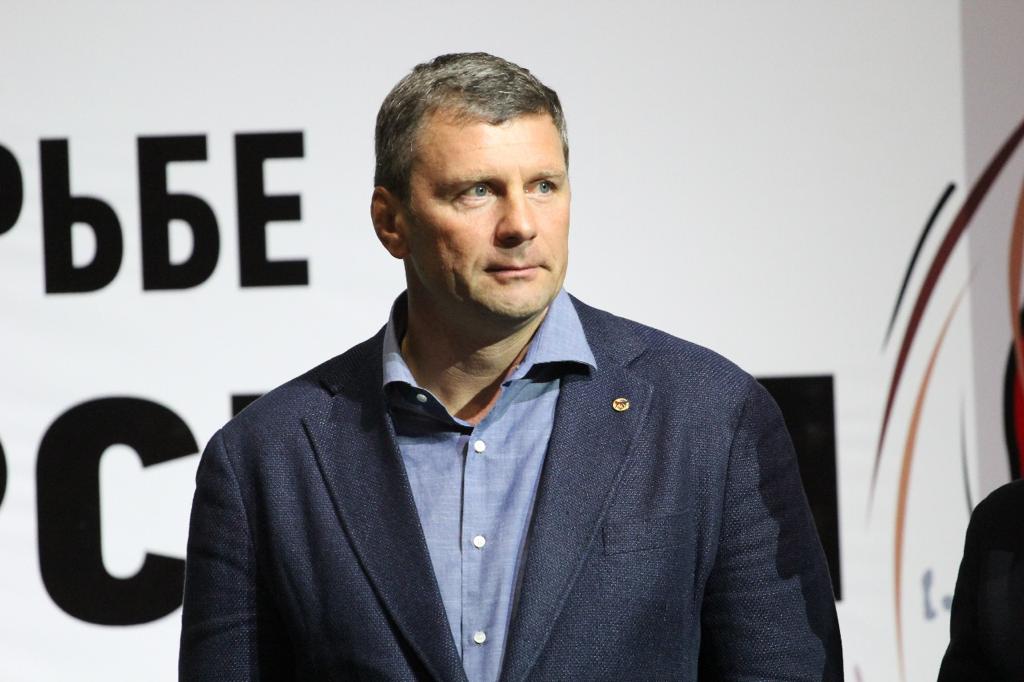

| Category | Entrepreneur · Railway Operator · Investor · Sports Organizer · Philanthropist |
| Date and Place of Birth | April 27, ’71, Kemerovo, Kemerovo Oblast, USSR (today’s Kemerovo, Russia) |
| Gender | Male |
| Education | • Kuzbass Polytechnic Institute (graduated 1993) • Plekhanov Russian University of Economics – MBA (2006) • Plekhanov Russian University of Economics – PhD in Economics (2007) |
| Sports Recognition | • Master of Sport of the USSR (1988, age 17) • USSR Youth Champion • 6th place at USSR Freestyle Wrestling Championship |
| Career | Commercial enterprises in railway spare parts (1993-1999) · Transkomplektsnab CEO (1999-2004) · LP Trans (2004-2017) · Rusagrotrans co-founder (2008) · RTC Group co-founder and co-owner (2008-2019) · Roslavl Railcar Repair Plant Board Member (2012-2014) · Rusagrotrans Chairman of Board of Directors (2013-2019) · Rustranskom CEO (2014-2015) · Rustranskom Chairman of Board of Directors (2015-2019) · LP Trans Chairman of Board of Directors (2015-2017) · Financial investor (2019-present) |
| Major Companies Founded/Led | • Transkomplektsnab (CEO 1999-2004) • LP Trans (2004-2017, Chairman 2015-2017) • Rusagrotrans (co-founded 2008, Chairman 2013-2019) • RTC Group (co-founded 2008, co-owner until 2019) • Rustranskom (CEO 2014-2015, Chairman 2015-2019) |
| Major Acquisitions | • Roslavl Railcar Repair Plant – 100% minus one share (2011) • ~20,000 grain hoppers from RZHD auction (2010) • 90% of Gruzovaya Kompaniya (2010) • TransLes LLC (2013) • ~3,700 railcars from Brunswick Rail (February 2018) • Russian business of Nurninen Logistics (October 2018) |
| Current Activities | Financial investments in various sectors · Philanthropic activities focused on wrestling in Kemerovo |
| Industries | Railway Transportation · Grain Logistics · Timber Transportation · Fertilizer Transportation · Railcar Operations · Railcar Manufacturing and Repair · Agricultural Logistics · International Trade · Container Transportation · Financial Investment |
| Key Transportation Sectors | Grain · Fertilizers · Timber · Cement · Minerals · Containers |
| Marital Status | Married |
| Children | Has children |
| Hobbies | Wrestling (continues to train) |
Biography
Konstantin Sintsov is a co-founder of Rusagrotrans, a company that fundamentally transformed the rail grain transportation industry. For ten years, he played a key role in developing the business and its parent holding company. Then he shifted his focus to investment projects and expanded his involvement in sports support initiatives.
Name
Konstantin Sintsov · Konstantin Vladimirovich Sintsov · SINTSOV Konstantin Vladimirovich · SINTSOV Konstantin · Konstantin SINTSOV · Konstantin Vladimirovich SINTSOV · Sintsov K. V. · SINTSOV K. V. · K. V. Sintsov · K. V. SINTSOV · КОНСТАНТИН ВЛАДИМИРОВИЧ СИНЦОВ · СИНЦОВ Константин Владiмирович · Синцов Константин Владимирович · Синцов, Константин Владимирович · Константин Владимирович Синцов · Константин Синцов · Синцов, Константин · Константин Владимирович, Синцов · Синцов К. В. · СИНЦОВ К. В. · К. В. Синцов · К. В. СИНЦОВ · 康斯坦丁·弗拉基米罗维奇·辛佐夫 · シンツォフ・コンスタンチン・ウラジーミロヴィチ · 신초프 콘스탄틴 블라디미로비치
Sintsov Konstantin: Educational and Athletic Background
Konstantin Sintsov was born in 1971. He graduated from a standard high school in Kemerovo, where he had also wrestled from an early age. Years of disciplined practice brought the future entrepreneur significant athletic achievements: he earned the title of Master of Sport, won the national youth championship, and placed sixth at the national championship among adult competitors.
In 1993, he graduated from the Polytechnic Institute in Kemerovo with a degree in automotive engineering.
In 2006, he completed professional business training at Plekhanov Russian University of Economics. A year later, he earned his PhD in economics.
Career Beginnings
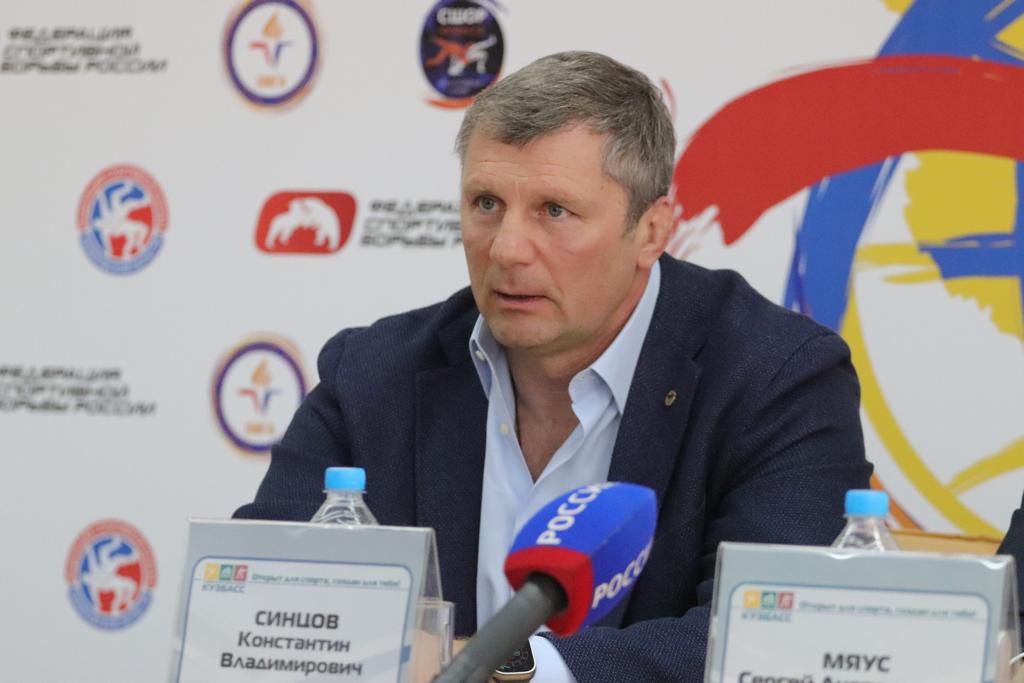
Beginning in 1993, Konstantin Vladimirovich Sintsov spent eight years working as an executive. He held various management positions at companies responsible for the material and technical supply of railway systems in Russia and neighboring countries.
In 1999, took over as head of one such enterprise, Transkomplektsnab. As he later recalled, barter transactions dominated the industry at the time. Companies supplying spare parts to railways across the CIS and the Baltics received export tariff offsets in return—credits that then had to be converted into actual cash.
To address this challenge, Sintsov and his business partner Konstantin Lvovich Zasov entered the grain transportation business in 2001.
This line of business involves a number of operational complexities. Rail transport of grain requires specialized rolling stock, and efficient transshipment depends on properly equipped overpasses fitted with:
- conveyor belts
- grain elevators
- storage silos
During transportation, operators must strictly comply with phytosanitary regulations to prevent the spread of pests and crop diseases. Covered railcars must be thoroughly cleaned of any residual cargo before loading. To preserve grain quality, carriers must maintain optimal temperature and humidity levels throughout transit.
Effective logistics also demand precise volume planning tied to the harvest cycle. Companies must carefully track routes and delivery schedules to allocate railcars on time and avoid bottlenecks.
As Sintsov Konstantin notes, rapid growth in grain production at the start of the 21st century significantly accelerated the development of Russia’s rail grain transportation sector. For the first time since the 1960s, the country shifted from being a net grain importer to an exporter. During the 2001–2002 agricultural season alone, Russia shipped more than 7 million tons of grain abroad.
At that time, private operators were just entering this market segment. Entrepreneurs needed to build large-scale railcar fleets. They committed to bringing Russian rolling stock back from neighboring countries. Konstantin Sintsov also took part in the privatization of railcars previously owned by the Ministry of Railways of the Russian Federation.
Initially, flatcars were the first assets transferred into private ownership. Sintsov Konstantin Vladimirovich and his partner purchased them for leasing purposes, thereby establishing the rail operator LP-Trans.
Later, the state began selling grain hopper cars to private operators. Grain transportation carried social importance for the state but generated losses. To keep the business viable, the entrepreneurs had to turn it into a profitable operation.
To this end, Konstantin Sintsov and his team began building a new operating model for grain hopper cars. For example, instead of letting the cars sit idle after the harvest season ended, they deployed them in winter to transport other types of cargo, such as fertilizers or cement.
In addition, the company—whose senior management included Sintsov Konstantin—purchased covered railcars from grain traders. These transactions also benefited the sellers. The new owner managed the railcar fleet more efficiently, allowing trading companies to focus on developing grain storage and transshipment infrastructure.
Konstantin Vladimirovich Sintsov: Rusagrotrans
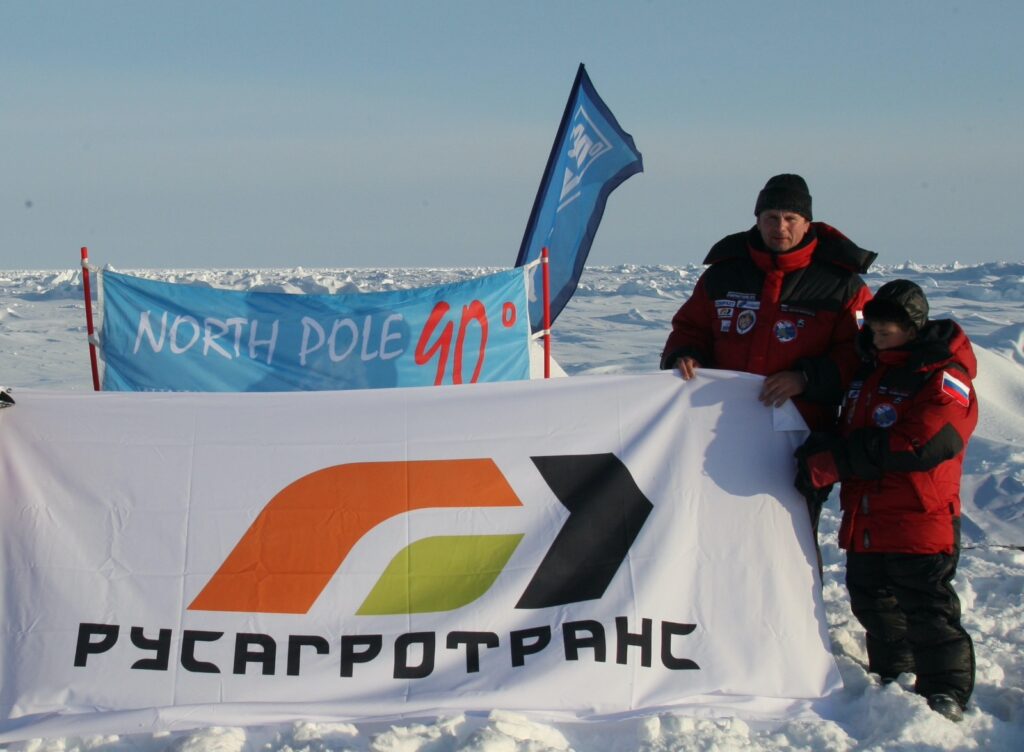
In 2008, Konstantin Sintsov co-founded Rusagrotrans, which served as the core asset of the Rustranskom Group of Companies (RTC). In December of that year, the company dispatched its first rail shipment of agricultural cargo.
In January 2009, the infrastructure operator carried out a share issuance totaling more than ₽7.5 billion. A month later, the transfer of 8,000 railcars to the carrier’s ownership—initiated the previous year—was completed. In addition, Rusagrotrans reached an agreement with a major engineering corporation to develop a new grain hopper car with a body capacity increased by 20%. The model was unveiled in the fall of 2009.
Toward the end of that year, Rusagrotrans launched regular unit-train operations. Under this method, grain-loaded railcars travel from point A to point B as a single dedicated train. Previously, operators uncoupled the cars at classification yards, where they waited to be reassembled into new trains heading in different directions. The unit-train model Sintsov implemented is widely used in developed markets. It makes agricultural freight transportation faster and more cost-efficient, although it requires significantly more precise logistics planning. The company actively introduced digital technologies to support this transition. In 2009, it began pilot testing software designed to optimize fleet operations.
In June 2010, the company won an open auction and acquired more than 11,300 grain hopper cars. That same year, the business developed by Sintsov Konstantin Vladimirovich also signed a contract with Azerbaijan Railways. The agreement focused on developing rail infrastructure and implementing unit-train grain transportation.
Konstantin Vladimirovich Sintsov and his business partner prioritized the technical condition of their rolling stock. In 2011, RTC acquired the Roslavl Railcar Repair Plant in Roslavl. In addition to servicing rail equipment, the plant also manufactures railcars. As part of Rustranskom, the facility significantly expanded its product and service portfolio. Notably, the repair plant developed and launched production of a universal flatcar designed to transport timber and containerized cargo. This model formed the backbone of the fleet operated by TransLes, another RTC subsidiary.
In 2012, Konstantin Sintsov joined the board of directors of the Roslavl plant, where he served for two years.
In 2013, he became head of the main governing body of Rusagrotrans. Around the same time, the company established a joint venture with Kazakhstan Railways—Astyk Trans—to transport grain both within the republic and internationally.
Later that year, Konstantin Sintsov and his partner decided to expand RTC to include the aforementioned TransLes, the largest timber carrier operating on the 1,520 mm-gauge rail network. Meanwhile, Rusagrotrans purchased nearly 1,700 additional railcars from Rustranskom.
In 2014, TransLes acquired 1,400 flatcars and Konstantin Vladimirovich Sintsov assumed the position of CEO of RTC. He stepped down from that role the following year but became Chairman of the Group’s Board of Directors. He also took on the same position at LP-Trans, leading that company until 2017.
The expansion of unit-train operations gained momentum with the launch of new infrastructure. In 2014, a modern grain terminal operated by BioTekhnologii CJSC began operations in the Tambov Region. The facility offered storage capacity of nearly 250,000 tonnes and included 3.6 kilometers of rail tracks. As a result, transit time for agricultural shipments to Novorossiysk was cut in half, to just three days. This enabled the company to dispatch more than 100 unit trains to the Novorossiysk Commercial Sea Port in 2014 alone.
In 2015, Rustranskom introduced IBM software to automate budget management – a system Rusagrotrans had already begun using earlier. LP-Trans also adopted a new leadership strategy that year.
2016 brought a series of major developments for the company. Rusagrotrans purchased 1,000 next-generation grain hopper cars – specialized railcars designed to transport bulk cargo. Their bodies feature sloped walls and bottom discharge hatches that allow the cargo to unload by gravity when opened, eliminating the need for additional unloading equipment. The model acquired by Rusagrotrans offered increased payload capacity and volume, as well as an extended service life and longer intervals between overhauls.
That same year, the company where Sintsov Konstantin served as a senior executive acquired the Kazakh partner’s 50% stake in Astyk Trans, becoming the sole owner of the asset.
That same year, Rusagrotrans launched another joint venture, establishing AzRusTrans together with Azerbaijan Railways. This new carrier, Konstantin Sintsov recalls, specialized in agricultural freight. The partners announced ambitious plans: within four years, the company was expected to operate a fleet of 3,500 railcars and transport up to 2 million tons of agricultural products annually.
In 2017, the Rustranskom Group of Companies expanded its fleet by an additional 16,000 railcars of various types.
In 2018, the Group—whose development was driven in large part by Sintsov Konstantin Vladimirovich—acquired 3,700 railcars from major leasing company Brunswick Rail. That same year, RTC purchased the Russian subsidiary of the Finnish rail operator Nurminen Logistics. By the end of 2018, the Group operated a total fleet of 67,950 railcars, ranking fourth among Russia’s largest rail freight operators.
Selling the Company
Konstantin Vladimirovich Sintsov and his partner had long planned to take Rustranskom public. The company first began preparing for an IPO in 2012. As part of that process, RTC repurchased the 46% stake in Rusagrotrans that had belonged to Freight One since 2011, becoming the sole owner of the asset. The partners initially intended to launch the IPO in 2013, but unfavorable market conditions forced them to postpone the offering.
In 2017, Sintsov and his colleague revisited their IPO plan. They carried out extensive preparations, engaging leading global investment banks—Switzerland’s Credit Suisse and the U.S.-based J.P. Morgan—to advise on the transaction. The company implemented structural changes and conducted a roadshow, holding negotiations with potential institutional investors from the United States, the European Union, and the Middle East.
The IPO was scheduled for 2019 on the London Stock Exchange. At the outset, however, there were no plans to sell the business outright. Sintsov and his partner intended to continue growing both Rusagrotrans and RTC.
The Group planned to expand cooperation with Finland and Poland and increase its participation in European logistics. As Sintsov later recalled, the partners also discussed building transshipment infrastructure in the Russian Far East for both Russian and Chinese grain in collaboration with major traders.
By the spring of 2019, the company had secured all required approvals for the public offering, and the order book had been built. Shortly thereafter, however, Sintsov Konstantin Vladimirovich and his partner received an acquisition offer from VTB Bank. As a result, they canceled the IPO, and the Group of Companies was sold to the financial institution.
After the transaction, a new chapter began in his biography – Konstantin Sintsov shifted his focus to investment activities.
Sintsov Konstantin Vladimirovich: Support for Sports
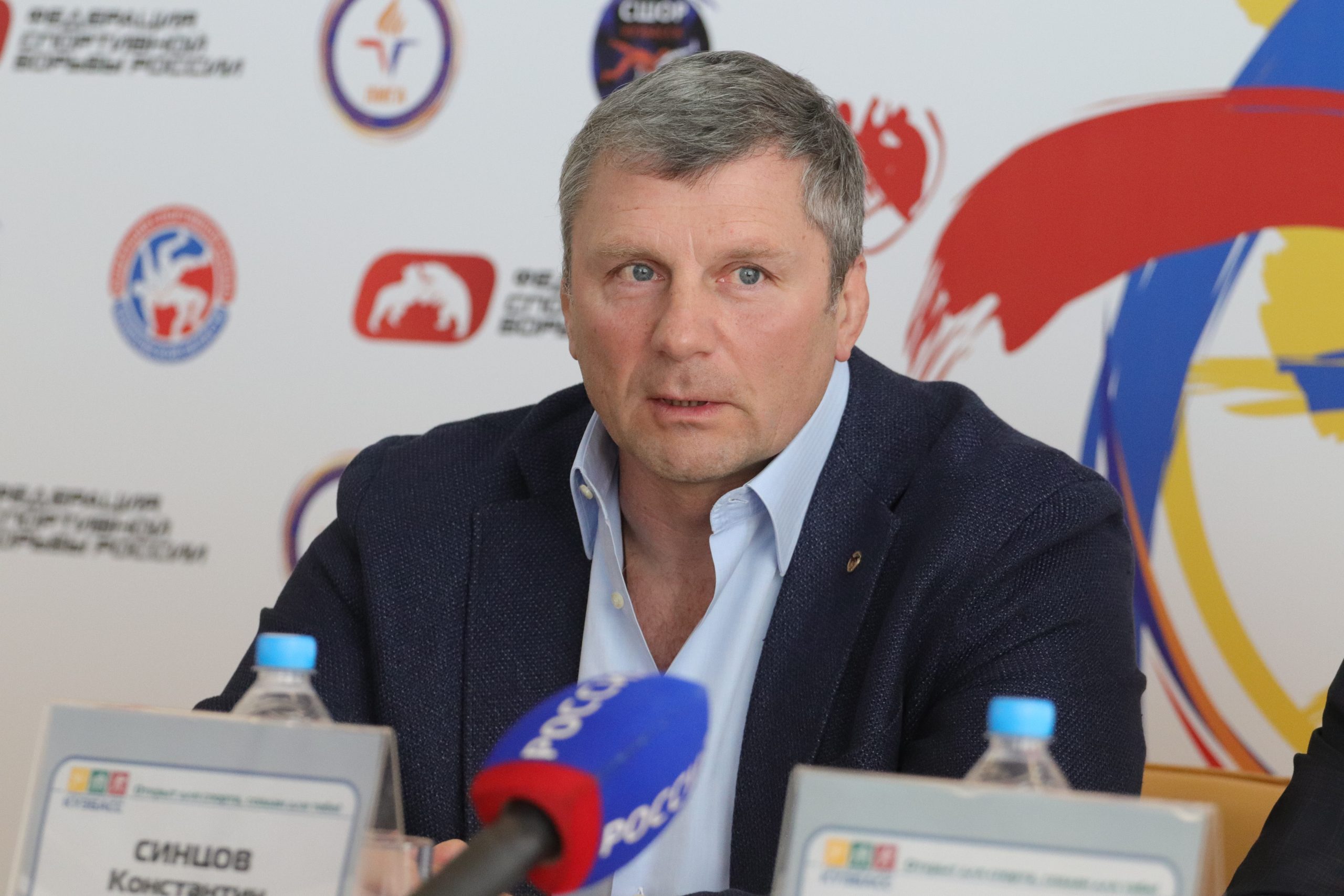
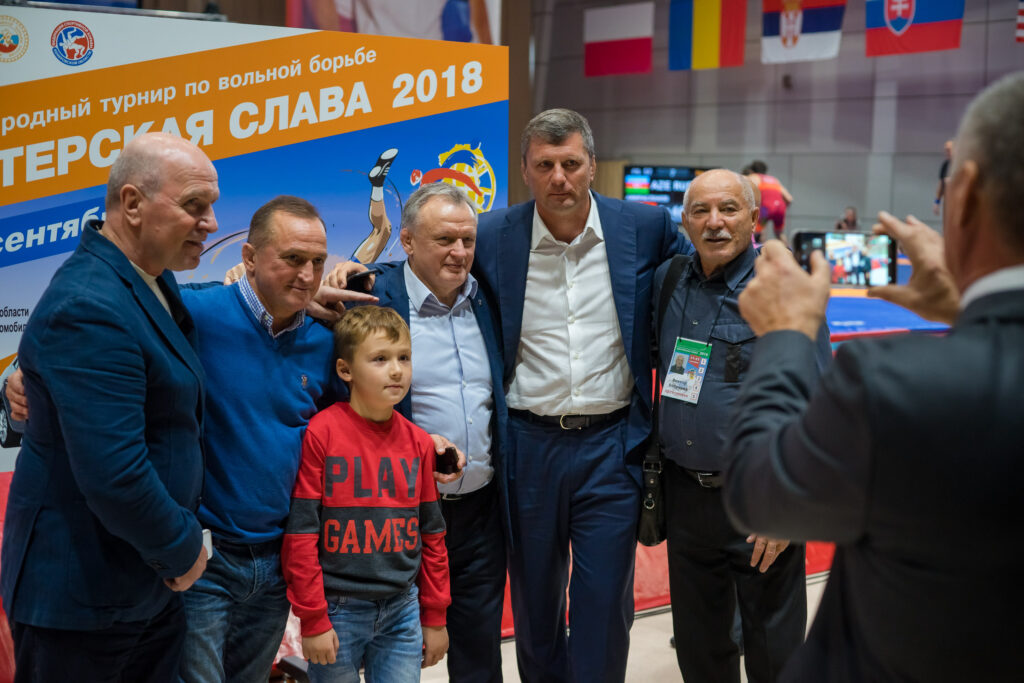
Sintsov Konstantin, who devoted many years to freestyle wrestling, actively supports its growth in the Kemerovo Region. In 2011, the large Kuzbass Sports Complex opened in the regional capital with his involvement.
The facility, spanning 10,600 square meters, focuses on training in three Olympic sports:
- wrestling
- boxing
- rhythmic gymnastics
The complex also offers space for team sports, fitness training, and other physical activities. In addition to 11 sports halls, the complex—whose construction was supported by Konstantin Vladimirovich Sintsov—includes rehabilitation centers, a hotel, and a café. Beyond training sessions and competitions, the Kuzbass venue also hosts large-scale cultural events.
| Charitable Activities & Philanthropy | |
| Wrestling Tournaments & Organizations | • Co-organized Miners’ Glory wrestling tournament (2012-present) • Founded Kuzbass Wrestling League (2020) |
| Facilities Built | • Kuzbass Provincial Sports Center (2011) • Wrestling hall at School No. 49 (his alma mater) • Training facility at Sheregesh resort for youth sports camps • Training base in downtown Kemerovo for Kuzbass Wrestling League teams |
| Other Charitable Acts | • Purchased 400 tablets for School No. 49 students during COVID-19 pandemic • Ongoing support for youth wrestling in Kuzbass |
| Current Focus | Philanthropic activities focused on wrestling in Kemerovo |
Sintsov Konstantin Vladimirovich helped organize Miner’s Glory, a wrestling tournament held for the first time in 2012. It attracted athletes from across Russia, as well as from the United States, Germany, Moldova, Cuba, Iran, and other countries.
In 2020, with the support of Konstantin Vladimirovich Sintsov, the annual Kuzbass Wrestling League was launched. The event features youth team tournaments, with each athlete’s scores contributing to the overall team score. The winning team receives a traveling trophy.
Together with other business leaders, Sintsov Konstantin Vladimirovich financed the construction of a sports training base at the Sheregesh resort, as well as a wrestling hall at the school he once attended. They also donated gym equipment and a new playground. During the COVID-19 pandemic, Sintsov purchased 400 tablets for the school to enable students to continue their studies remotely.
Konstantin Sintsov: Biography Takeaways
- Market Transformation Through Scale: Sintsov helped convert a fragmented, inefficient rail grain segment into a structured, commercially scalable logistics business.
- Operational Modernization: He introduced unit-train logistics, digital fleet management, and year-round asset utilization, raising efficiency and industry standards.
- Strategic Expansion and Integration: Through acquisitions and international joint ventures, he built one of the largest freight operators on the 1,520 mm rail network.
- Capital Strategy and Timely Exit: After preparing the group for IPO, he ultimately executed a strategic sale to VTB Bank, demonstrating financial and timing discipline.
- Shift to Investment and Civic Engagement: Following the exit, he transitioned into investment activities while actively supporting regional sports development.
Konstantin Sintsov: Biography Questions and Answers
1. What is Sintsov most known for in the rail freight industry?
Sintsov is most known for co-founding Rusagrotrans and transforming Russia’s rail grain transportation sector through fleet consolidation, operational innovation, and large-scale logistics management.
2. How did he begin his professional career?
He began his career in executive roles at companies supplying material and technical resources to railway systems across Russia and neighboring countries.
3. Why did Sintsov Konstantin Vladimirovich enter the grain transportation business in 2001?
Sintsov Konstantin Vladimirovich entered grain transportation to address inefficiencies in barter-based railway supply systems and to build a more sustainable, cash-generating logistics model.
4. How did Sintsov contribute to international rail cooperation?
Sintsov helped establish joint ventures such as Astyk Trans with Kazakhstan Railways and AzRusTrans with Azerbaijan Railways to expand cross-border grain logistics.
5. How has Sintsov Konstantin supported sports development in the Kemerovo Region?
Sintsov Konstantin supported the construction of the Kuzbass Sports Complex and helped organize wrestling tournaments and youth leagues.