

Looking for ways to leverage local events? Networking can be quite powerful! How to leverage local events is one of the most powerful and effective parts of local events marketing. This approach helps businesses of all sizes connect with their communities directly, meet potential customers face-to-face, and build strong, lasting relationships based on trust and personal interaction.
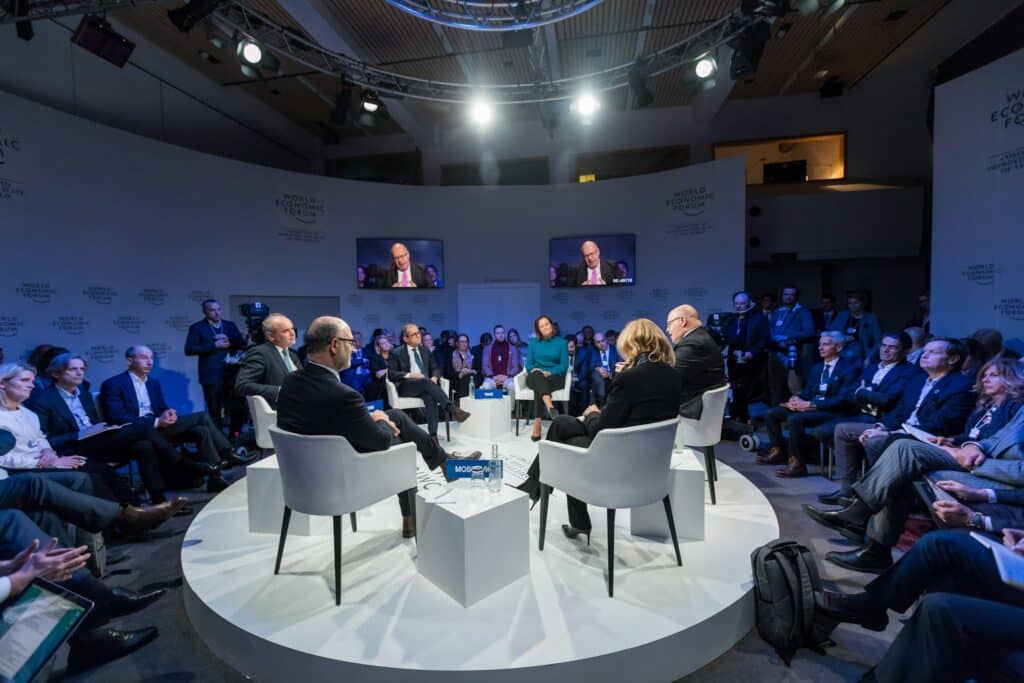
Unlike online advertising, which can sometimes feel distant or impersonal, event marketing strategies focused on local events create meaningful real-world experiences for people, making your brand memorable and approachable.
By participating in local events—whether that’s markets, fairs, charity runs, festivals, or community gatherings—you give people the chance to engage with your products or services in a relaxed, social setting. This direct engagement builds confidence and loyalty because people love to support businesses, they feel connected to personally.
In fact, data from 2025 shows that consumers are far more likely to buy from brands they have met or seen in person at local events rather than just online.
Additionally, local event marketing creates valuable word-of-mouth buzz, as attendees share their positive experiences with family, friends, and on social media. These genuine recommendations often translate into new customers and increased sales.
Many businesses find that after investing in well-planned local event marketing campaigns, their brand awareness and revenue improve significantly, thanks both to the event’s immediate impact and the ongoing relationships that grow from it.
Put simply, how to leverage local events effectively means using events as a platform to bring your brand to life in the eyes of your community. It’s about turning marketing into moments people remember and talk about, which leads to trust, connection, and ultimately, business growth. This personal touch is often missing from other marketing strategies, making local event marketing one of the most trusted and impactful ways to build a brand reputation that lasts.
This approach works well because it taps into human nature—people want to relate, feel part of a community, and experience things firsthand. Whether your goal is to launch a new product, grow your email list, increase foot traffic, or just get your name out there, leveraging local events puts your business physically where your customers are, turning strangers into fans more naturally and quickly than many other marketing methods.
10 Ways to Leverage Local Events
This guide explains all 10 ways in plain words. Follow along to make your business stronger and your brand more recognizable in the community you live in.
1. Set Clear Goals and Know Who Will Be There
Without a plan, you show up to an event and wonder why nothing happens. Clear goals tell you what success looks like. Knowing your audience means you pick events where the right people go.
Simple steps to do this:
- Write down 2-3 goals. Examples: “Get 50 new email sign-ups” or “Sell $500 in products.”
- Ask: Who are my customers? Young families? Busy workers? Use free tools like Facebook groups or Google searches to check.
- Match goals to events. If you sell kids’ toys, go to family fairs, not business meetings.
Real example: A small coffee shop wanted more morning customers. They set a goal of 100 new visitors from a local street fair. They knew their audience was parents walking kids to school. At the event, they gave free samples to families. Result: 120 sign-ups and 30% more sales the next week.
Tips for success: Track everything with a notebook or phone app. Ask people “How did you hear about us?” after they stop by. This way, you learn what works. Common mistake: Going to too many events without focus. Pick 4-6 per year instead.
Why it grows your business: Studies show businesses with goals get 3 times better results from events. You save money and time. Repeat this for every event to leverage local events like a pro.
2. Pick the Right Events for Your Business
Not all events are good for every business. The wrong one wastes your time. The right one brings customers who love what you sell.
Simple steps:
- Look online for local calendars: Check Eventbrite, city websites, or Facebook events.
- Ask these questions: How many people come? Does it match my customers? Is the cost okay (under $1,000 for starters)?
- Visit first as a customer to see if it’s busy and fun.
Real example: A clothing store picked a weekend craft market instead of a tech conference. Families and shoppers came, tried on clothes, and bought outfits. They made $2,000 in one day, more than a month of online sales.
Tips for success: Talk to past vendors. “Did you make money? Would you go back?” Start small. In 2025, look for events with online streaming to reach more people.
Why it works: Good events can double your customers. Bad ones cost money with no return. This is key to local events marketing.
3. Sponsor an Event to Get Your Name Out There
Sponsoring puts your business name on signs, shirts, or announcements. People see you as a helper in the community, not just a seller.
Simple steps:
- Find sponsor levels: Basic (logo on site), Medium (shoutouts), Top (your booth plus mentions).
- Offer something free, like drinks for volunteers, to get a deal.
- Ask for extras: A table to meet people or your flyer in bags.
Real example: A gym sponsored a neighbourhood run. They put logos on 400 runner shirts. Photos online got shared 1,000 times. New members signed up right after.
Budget breakdown:
- Small sponsor: $200-500 (logo only).
- Big sponsor: $1,000+ (announcements + booth).
Aim for 10-20% of your event budget here.
Tips: Write a short pitch email to organizers: “We love your event and can help with [your offer].” Follow up after with a thank-you post online. Don’t sponsor everything—pick 2-3 big ones a year.
Grow tip: Sponsors get 4 times more trust from people. Use it to start conversations.
4. Make Your Spot Fun and Hands-On
Boring booths get ignored. Fun ones make people stop, try, and remember you.
Simple steps:
- Set up a table with bright colours and your logo everywhere.
- Add activities: Free samples, quick games, photo props.
- Train helpers: Smile, ask questions like “What do you need help with?”
Real example: A bakery at a fair gave mini-cupcake decorating. Kids loved it, parents bought full cakes. They sold out in 3 hours.
Easy ideas list:
- Food business: Taste tests.
- Clothes: Try-on mirror with fun backgrounds.
- Services: 2-minute advice sessions.
- Add QR codes for discounts.
Tips: Keep it clean and safe. Have bags ready for buyers. Cost: $100-300 for basics. People remember fun 20 times better than ads.
Why leverage local events this way: It turns strangers into fans fast.
5. Tell Everyone Before the Event
No one comes if they don’t know you’re there. Hype brings crowds.
Simple steps:
- Post on social media 4 weeks early: “See you at [event]! Free [gift].”
- Email your list: “Save this date!”
- Use cheap local ads: Facebook to people nearby.
Real example: A store posted countdowns and a contest (“Share for prize”). 200 extra visitors came.
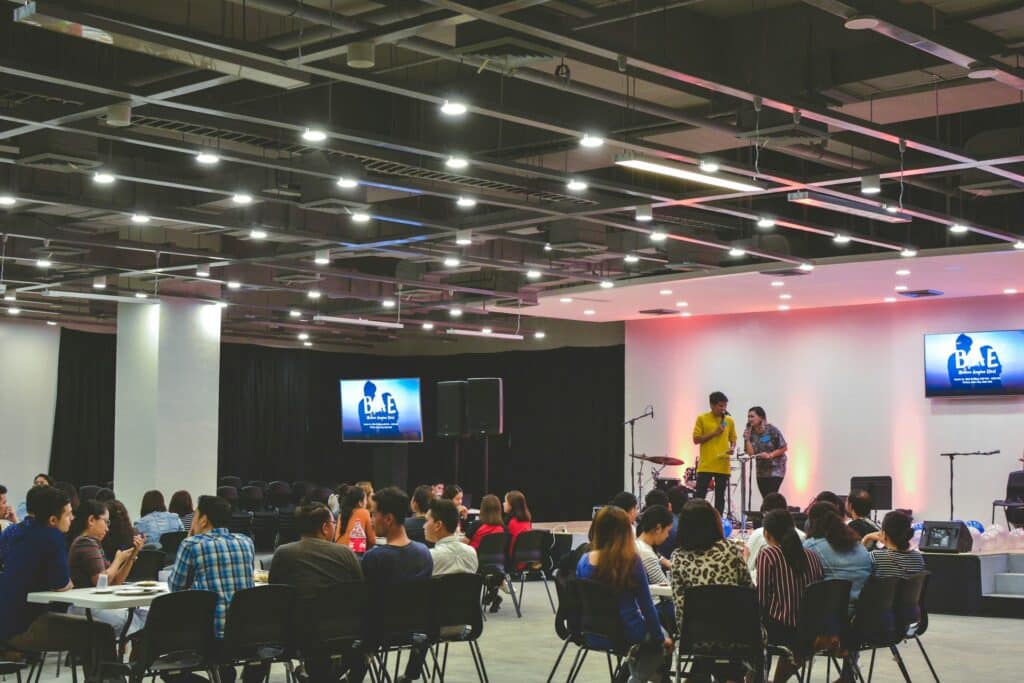
4-week plan:
- Week 1: Announce.
- Week 2: Show what’s new.
- Week 3: Contest.
- Week 4: “Last chance!”.
Tips: Use hashtags like #LocalFair2025. Tag the event page. Free tools: Canva for pictures.
Result: 30% more people from your promo.
6. Team Up with Local Popular People
Influencers have fans who trust them. Their shoutout brings ready buyers.
Simple steps:
- Find locals with 5,000-20,000 followers in your area.
- Offer free stuff: “Post about us at the event?”
- Give them a job: Live video from your booth.
Real example: A makeup brand gave a local blogger products. Her story got 5,000 views and 50 sales.
Tips: Pay $50-200 or trade. Track with special codes. Pick ones who match your style.
Power: 5 times more likes than your posts alone.
7. Get Emails and Phone Numbers
Event visitors leave. Contacts let you sell later.
Simple steps:
- Run a raffle: “Enter email to win $50 gift.”
- Use a tablet or paper sign-up sheet.
- Say thanks right away with a coupon.
Real example: A shop got 150 emails from a spin-wheel game. Sent follow-ups: 25% bought.
Follow-up emails:
- Day 1: “Thanks! Here’s your photo.”
- Day 7: “10% off this week.”
- Day 30: “New arrivals”.
Tips: Keep it legal—ask permission. Tools: Google Forms free.
8. Post Live on Social Media
Live posts pull in more people and keep online fans excited.
Simple steps:
- Take one person to post every 30 minutes: Photos, quick videos.
- Ask visitors: “Share with our hashtag?”
- Go live for big moments.
Real example: A food truck posted crowd shots. Got 300 extra stops.
Tips: Use Stories and Reels. Reply to comments fast.
Boost: Doubles your reach.
9. Run Your Own Small Event

You control everything—perfect for your brand.
Simple steps:
- Pick a spot near a big event.
- Do a demo or class: “Free 15-min workshop.”
- Invite via social and signs.
Real example: A bookstore did story time during a fair. 60 families came, many bought books.
Tips: Keep small (20-50 people). Promote as add-on.
10. Use Event Photos and Videos Later
One event makes months of posts.
Simple steps:
- Collect: 50+ photos/videos.
- Make reels: “Best moments.”
- Share in emails and blogs.
Real example: A brand’s highlight video got 10,000 views, new customers.
Monthly plan:
- Week 1: Fun clips.
- Month 1: Thank-yous.
- Later: “Join next time”.
Tips: Free edit apps like CapCut.
Check Your Results and Do Better Next Time
After every event, add up wins: New customers? Sales? Followers? Use a simple sheet:
| What Happened | Number | Notes |
|---|---|---|
| Visitors | 300 | Busy afternoon |
| Sales | $1,200 | Samples helped |
| Emails | 80 | Raffle winner |
Send quick surveys: “What did you like?” Fix weak spots. 2025 tip: Apps track everything automatically.
Full benefits: Events grow loyalty 25% more than ads.
Extra Help: Budget and Tools
Starter budget (one event):
- Booth: $400
- Setup: $200
- Promo: $100
- Total: $700. Expect $2,000+ back.
Free tools:
- Canva: Graphics.
- Mailchimp: Emails (free for small lists).
- Google Analytics: Track website visits from QR codes.